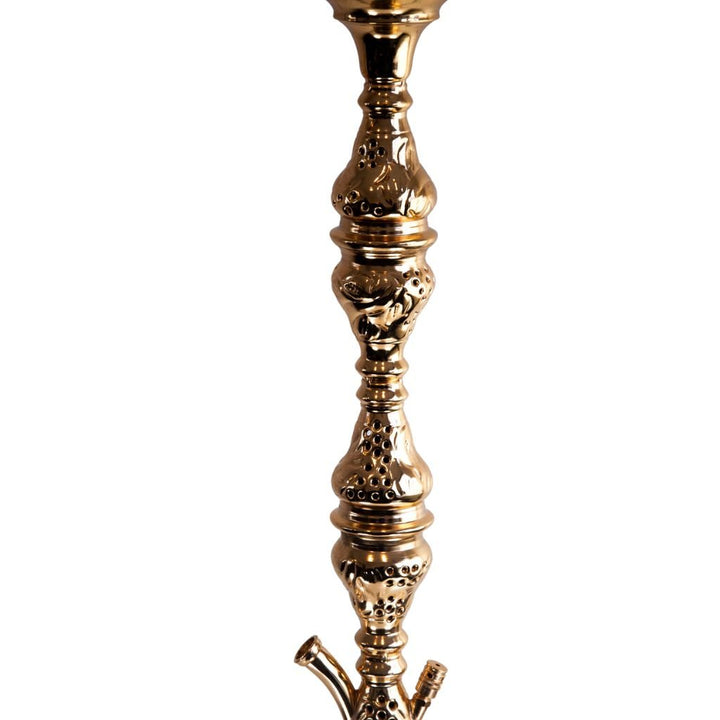
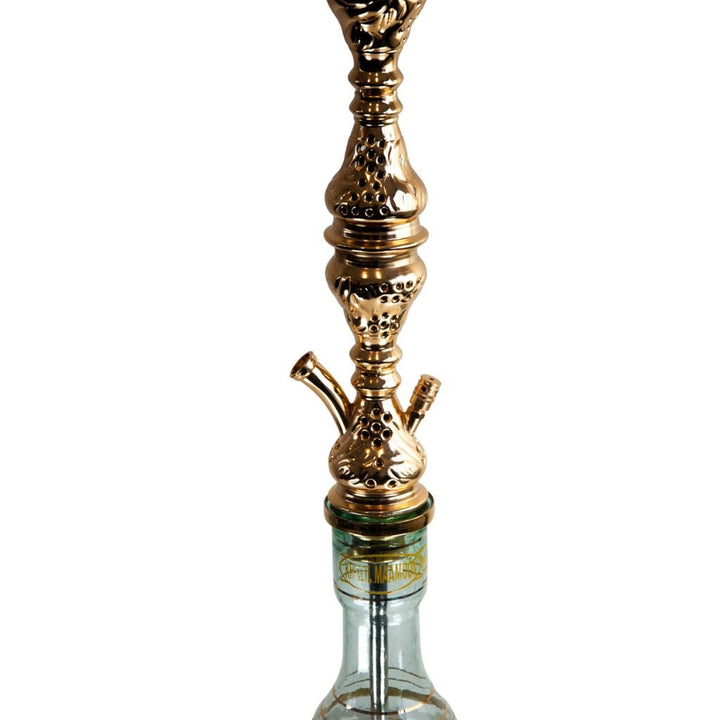
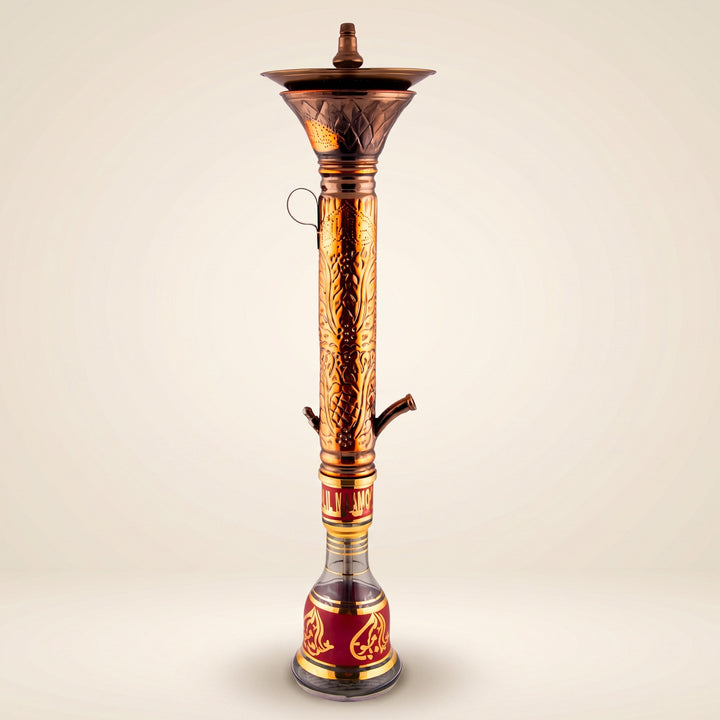
Traditional Pipes

34 products · genuine · 250+ ★★★★★

What are Traditional Shisha Pipes?

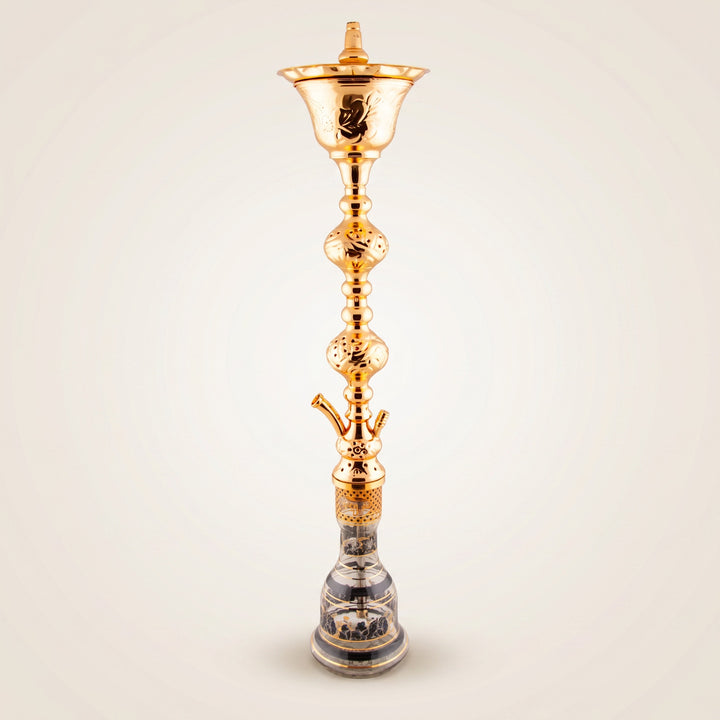
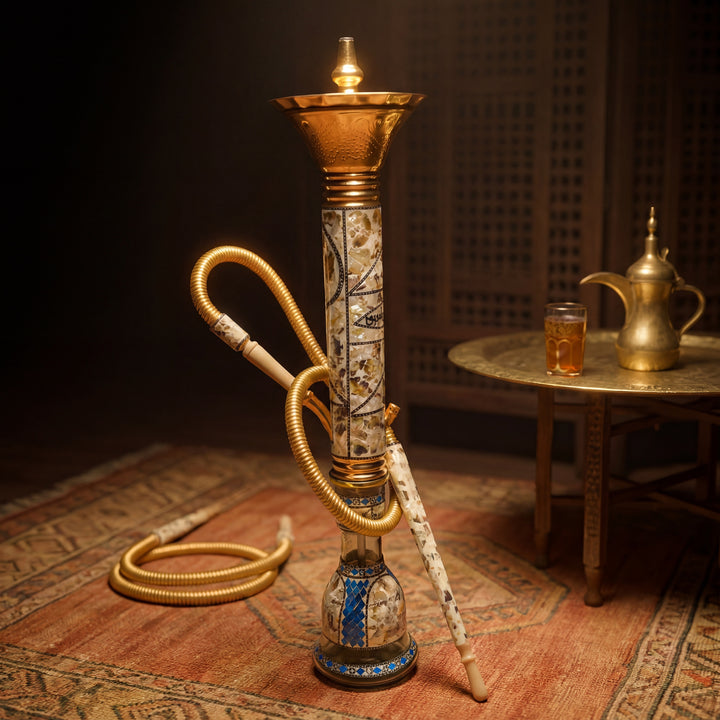
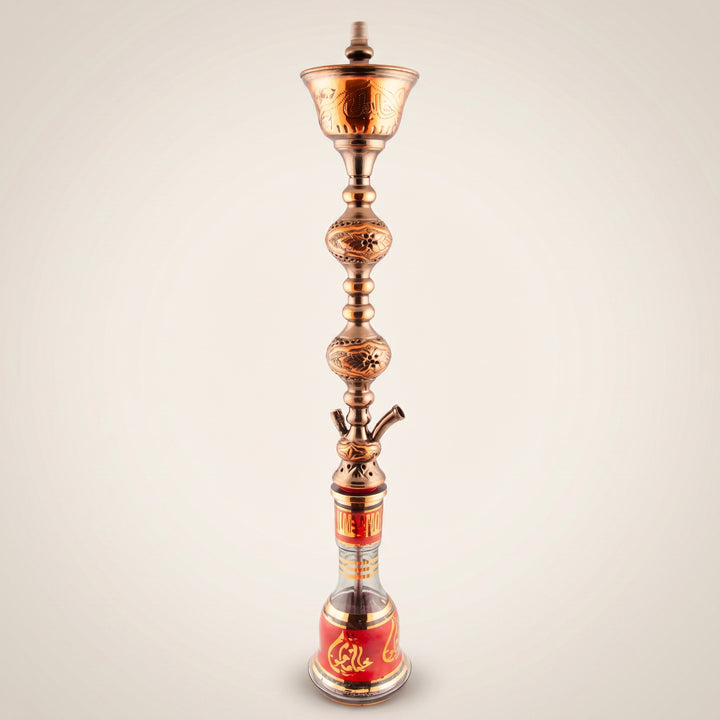
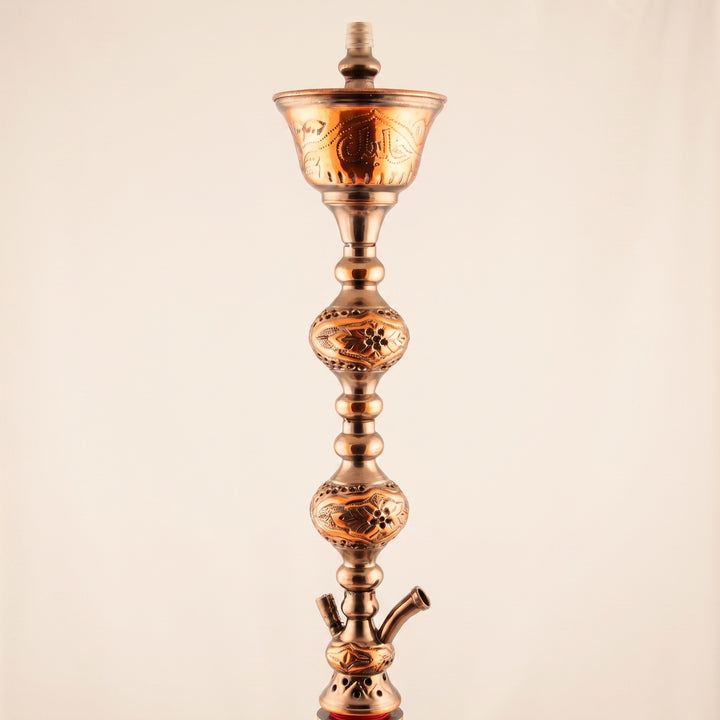
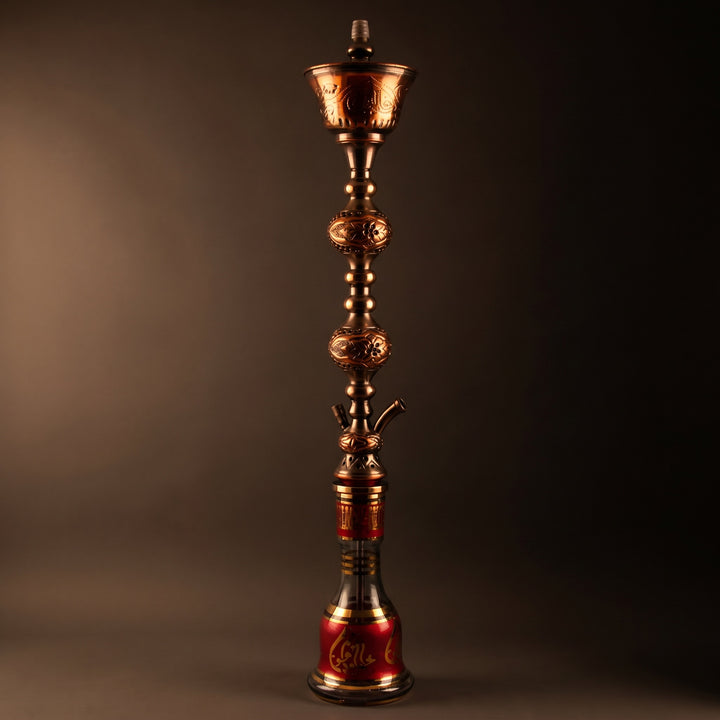
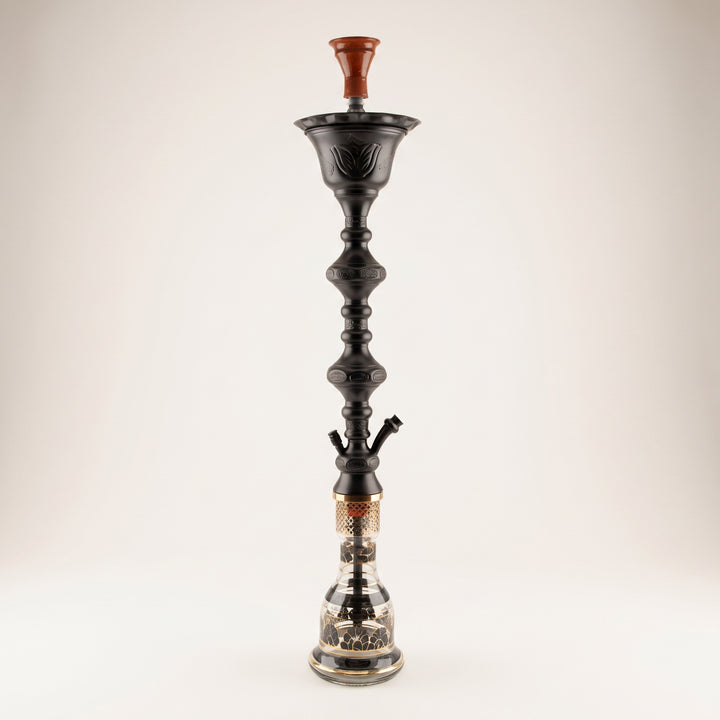
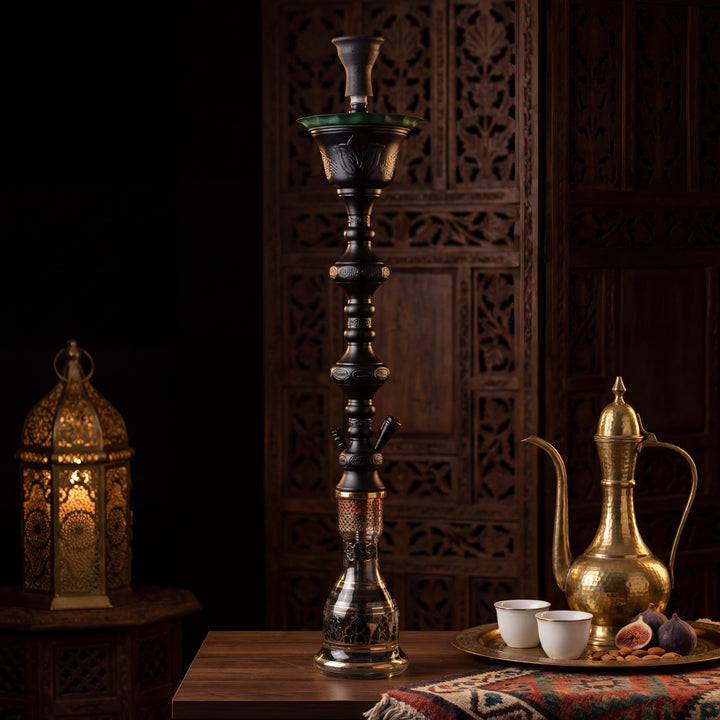
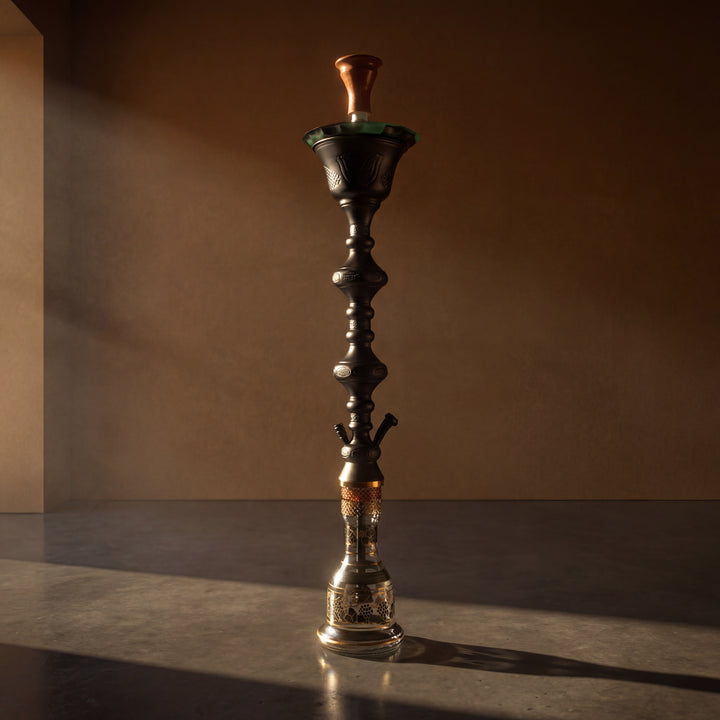
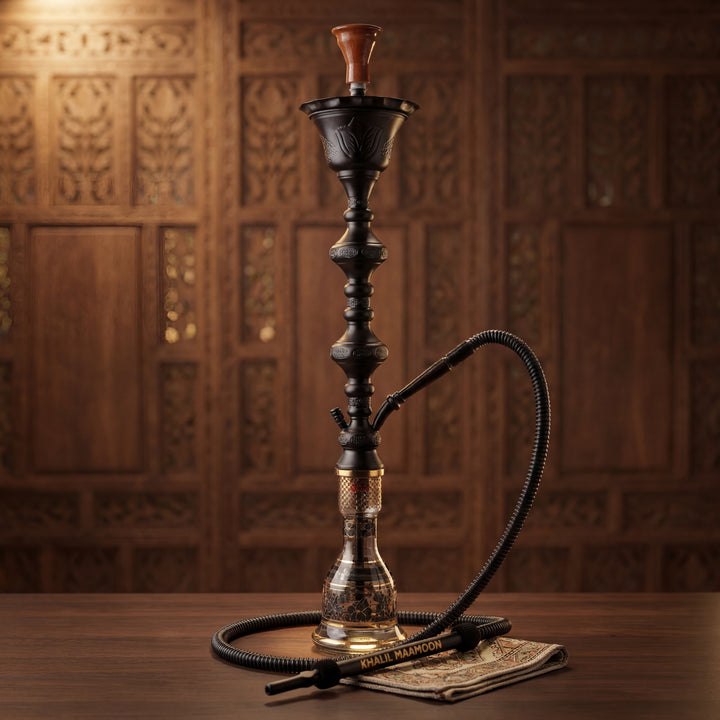
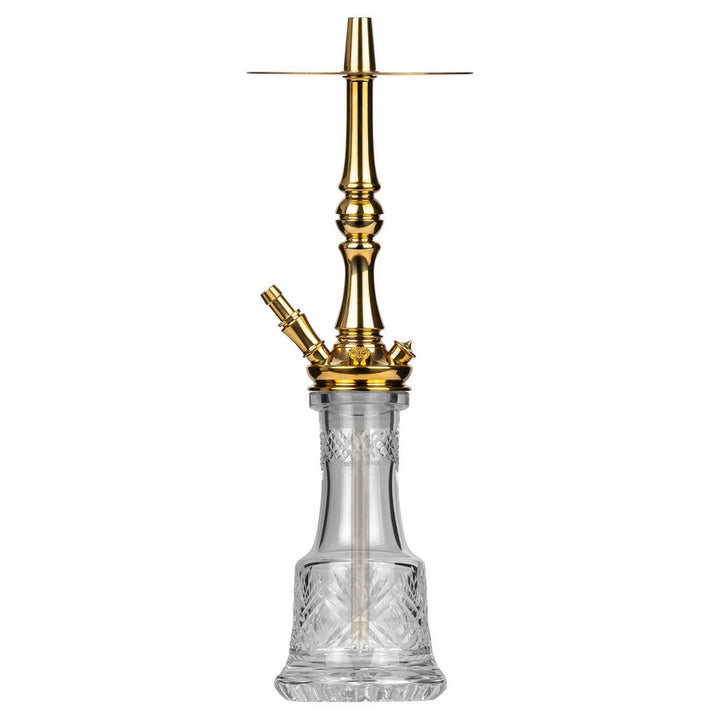
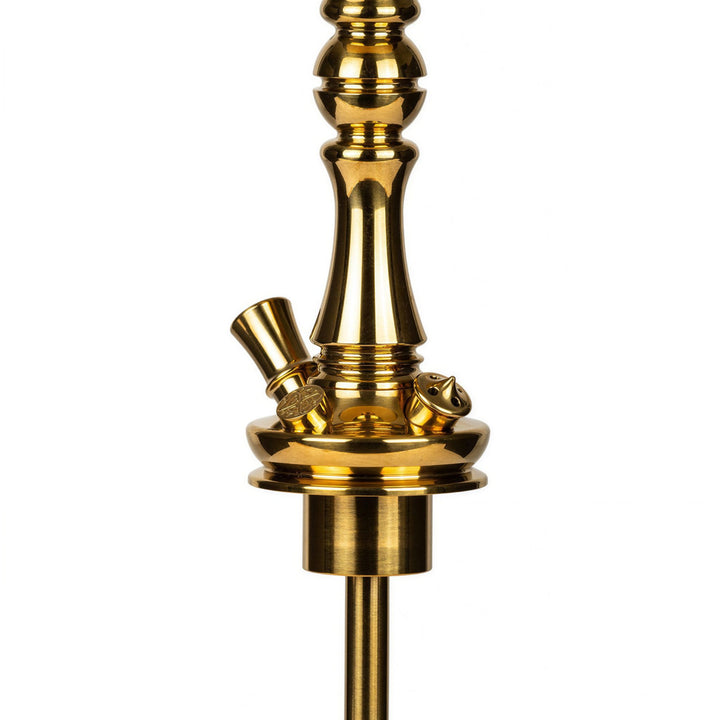
Traditional shisha pipes are the handmade hookahs built in the regions where shisha culture first took shape — Egypt, Turkey, and Syria. They're called "traditional" to separate them from the machine-made modern pipes you'll see from German and Russian makers.

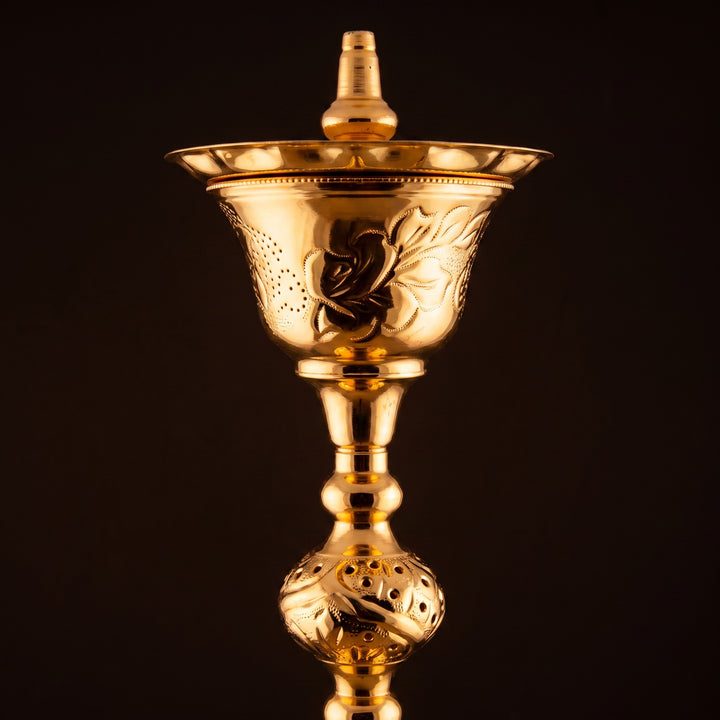
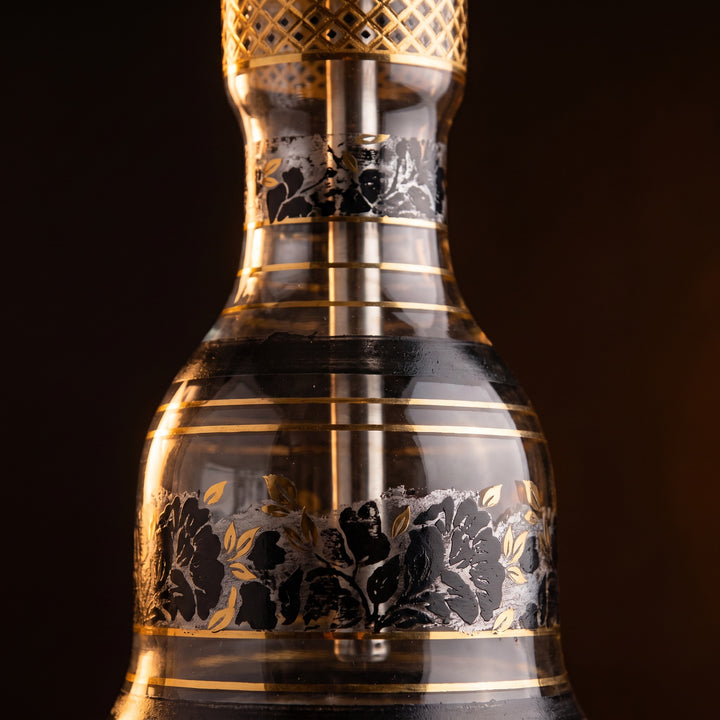
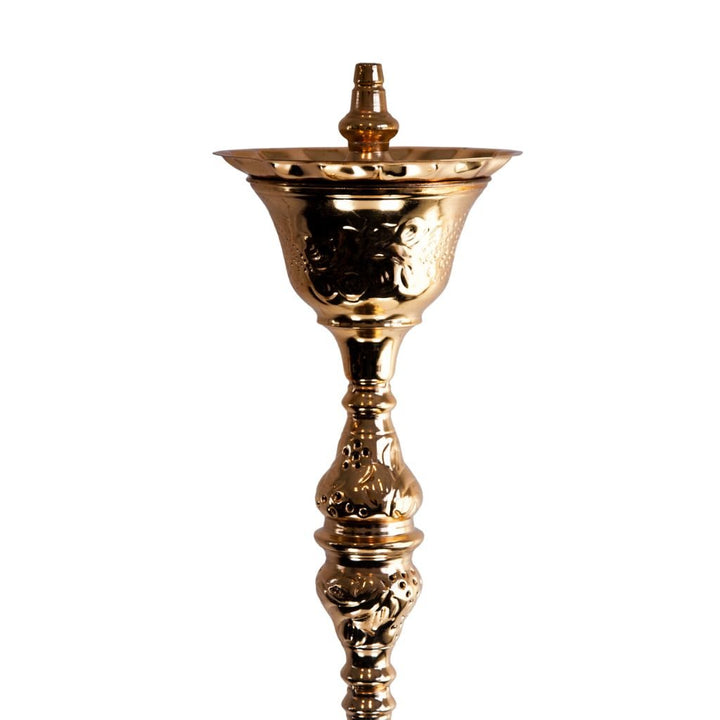
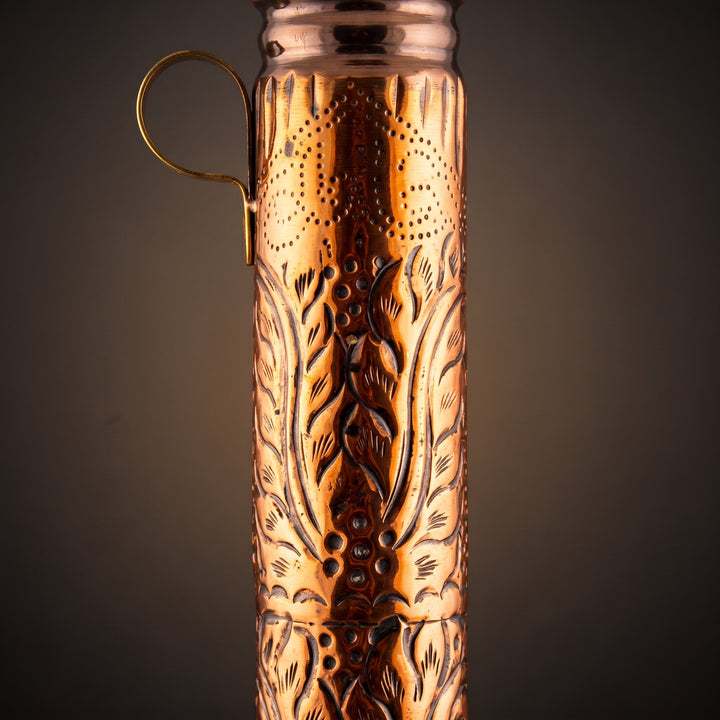
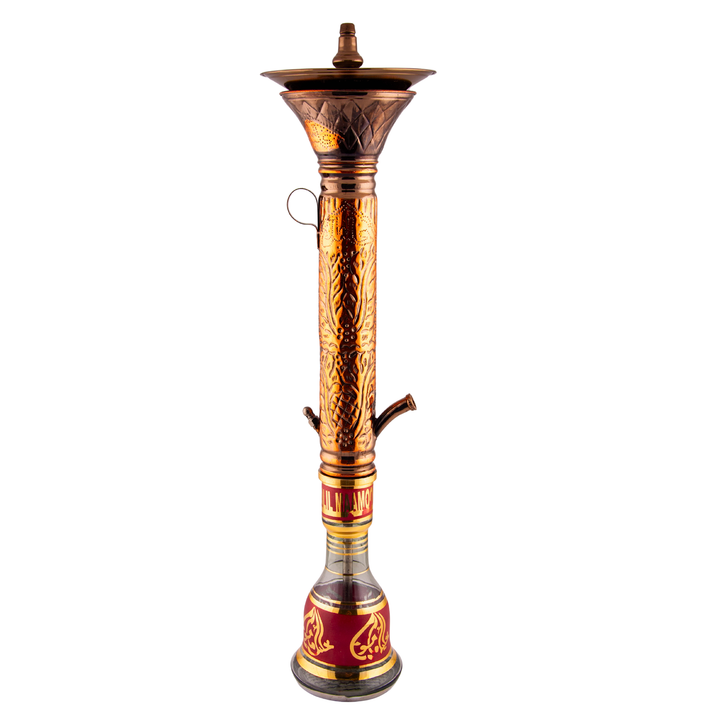
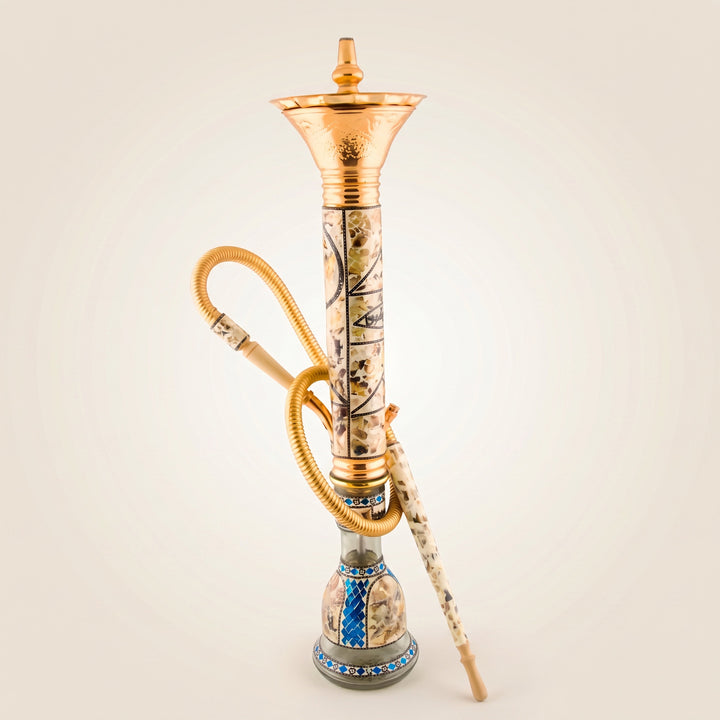
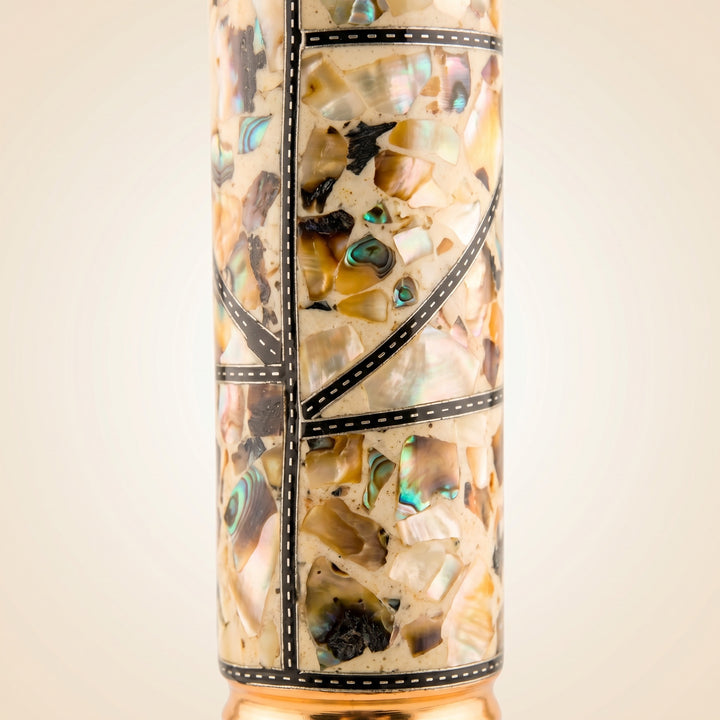
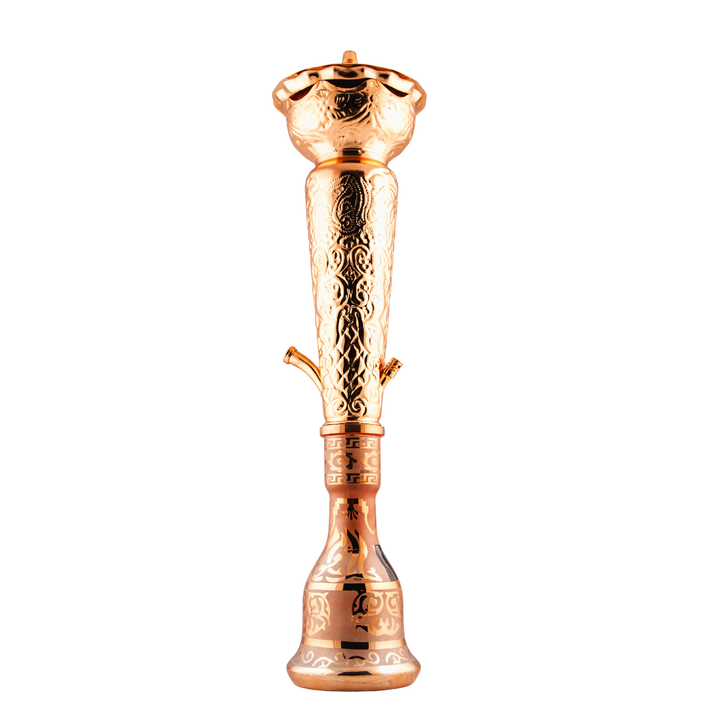
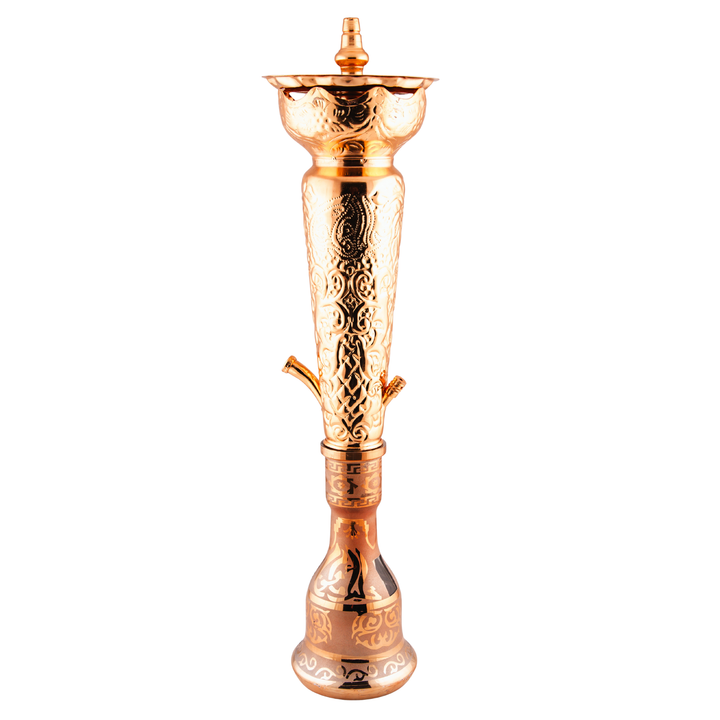
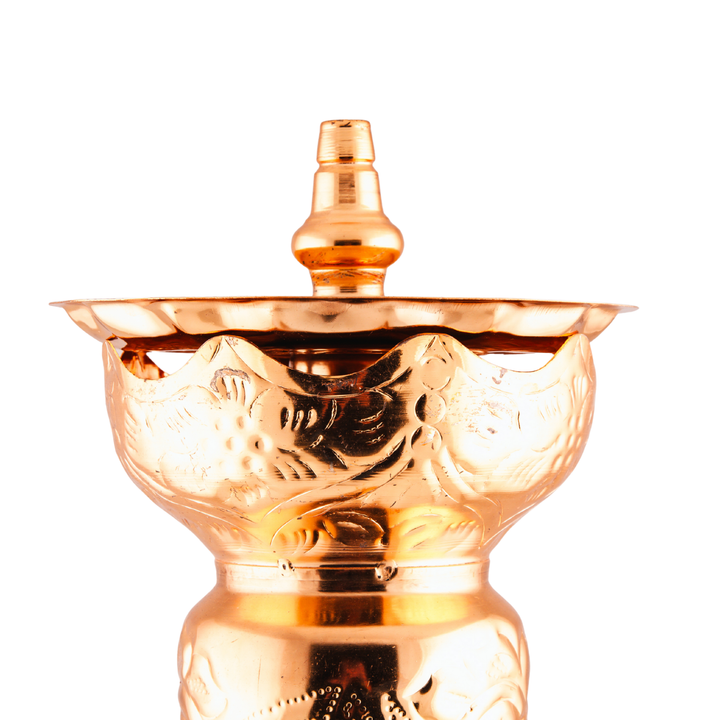
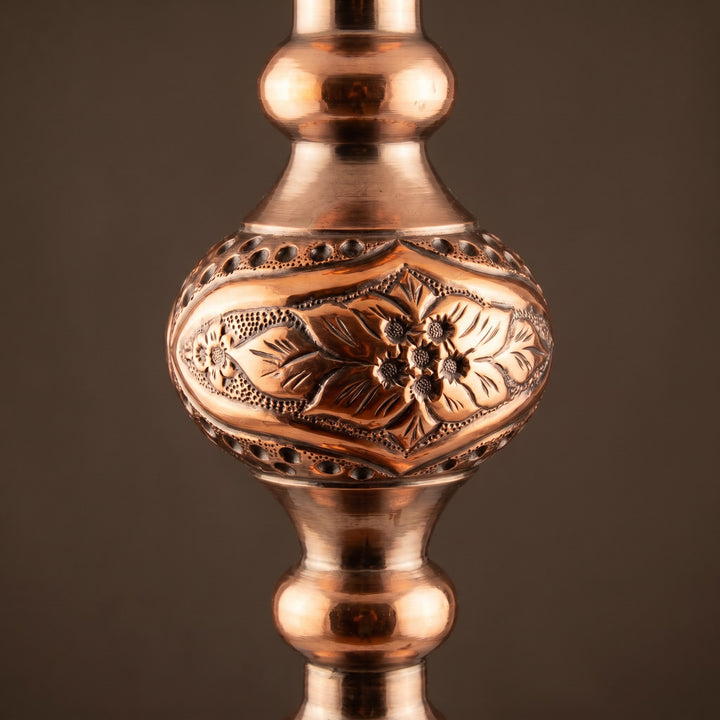
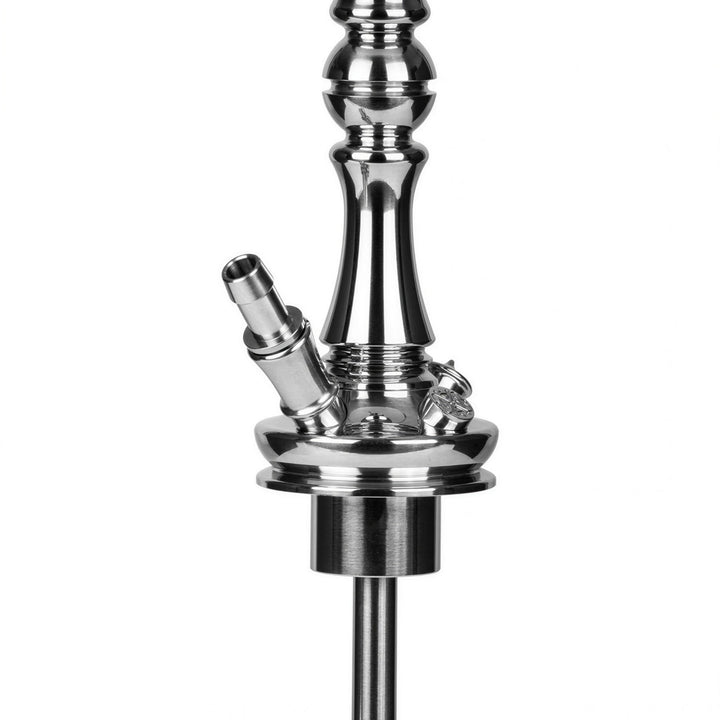
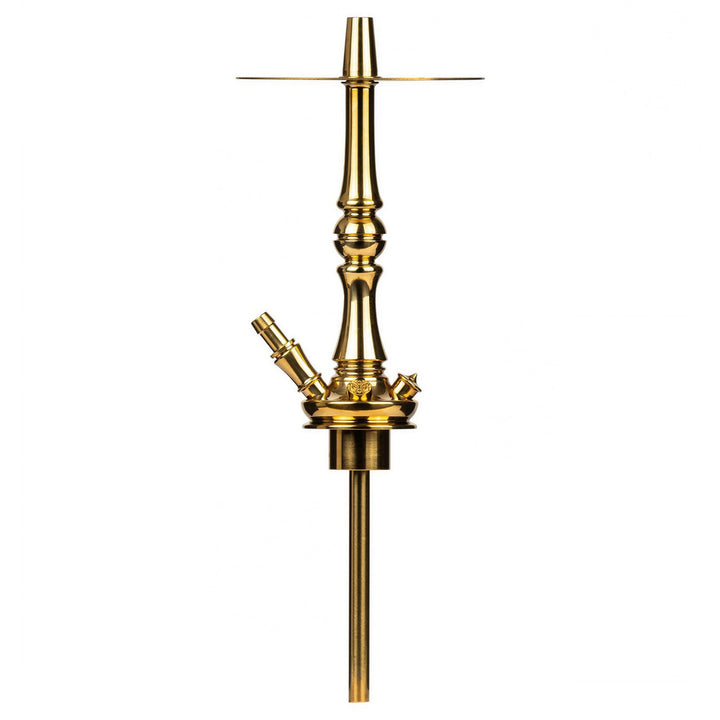
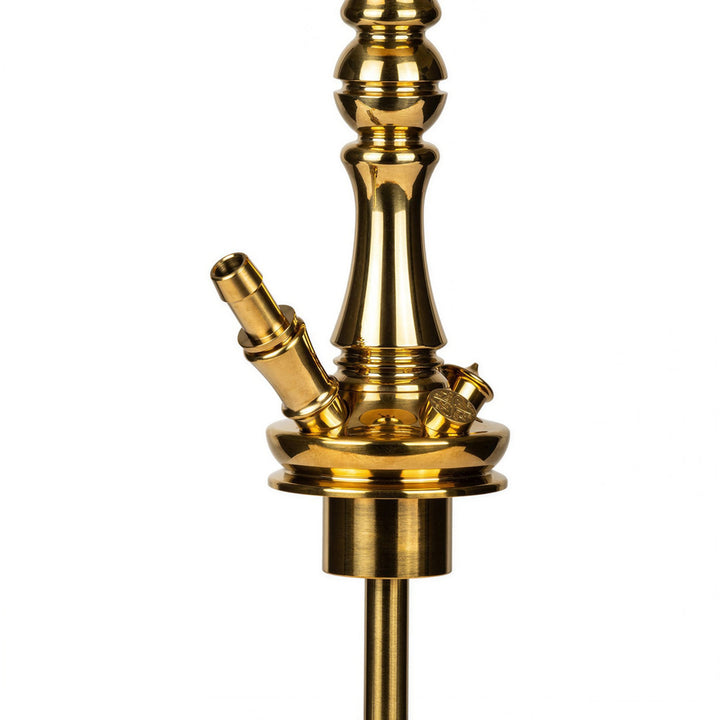
Every traditional pipe is hand-welded. The stems are usually stainless steel wrapped in worked brass or copper, and the bases are hand-blown glass. Because they're built by artisans using the same tools and techniques their families have used for generations, every pipe carries small variations — slight weld marks, subtle engraving differences, little glass irregularities. Those aren't defects. They're what handmade looks like.

Egyptian (shisha), Turkish (nargile), and Syrian (argile) pipes share the same basic construction but differ in style. Egyptian pipes tend to be weightier and more utilitarian. Turkish pipes often feature more ornate brasswork and decorative engraving. Syrian pipes sit between the two.

They all share one functional character: a tighter draw than modern pipes, richer flavour, almost always a single hose. Pair them with traditional tobaccos like Al Fakher, Nakhla, Mazaya, or Adalya. If you want heritage and flavour over raw cloud output, this is the category.

34 products

Price, low to high
Featured
Most relevant
Best selling
Alphabetically, A-Z
Alphabetically, Z-A
Price, low to high
Price, high to low
Date, old to new
Date, new to old

Showing 10 of 34 products

About this collection

Traditional Shisha and Hookah Pipes

Explore our collection of traditional shisha and hookah pipes, built the classic way in Egyptian and Turkish styles. These are the timeless centrepieces of the shisha session: hand finished stems, weighted bases and glass bowls chosen for build quality and a smooth, easy draw. From compact single-hose setups to tall statement pieces for the table, every pipe is picked to run well and last.

A weighted base is not just for looks: the extra mass keeps a tall pipe stable so it will not tip when you move the hose. Draw depends on the stem's air path more than the height, and steel stems wipe clean in seconds while glass parts rinse clear so you can see when they are spotless. Egyptian pipes tend to run taller with a narrower bore for a tighter pull, while Turkish hookahs sit heavier with ornate metalwork and a wider, airier draw.

Whether you are buying your first traditional hookah or adding a heritage piece to your shisha pipe collection, The Premium Way ships Australia wide from Melbourne with fast dispatch and free delivery over $150. Order online for Sydney, Brisbane, Perth, Adelaide and everywhere in between.

  • Egyptian traditional pipes, known for tall stems and a tighter, narrower-bore draw
  • Turkish hookahs with ornate metalwork, heavier weighted bases and a wider draw
  • Glass and stainless steel builds for durability and quick cleaning
  • Single-hose and multi-hose ready setups

Egyptian vs Turkish hookah, what is the difference?

Egyptian hookahs are usually taller and lighter with a narrower stem bore, giving a tighter, more controlled draw and easy handling. Turkish hookahs are heavier and more ornate, with a wider air path for a fuller, airier pull. Both are traditional builds; the choice comes down to the draw you prefer and how much weight and detailing you want on the table.

Complete the setup with premium bowls, charcoal, hoses and heat management, all available across The Premium Way hardware range.

Common questions · Traditional Pipes

What's the difference between traditional and modern shisha pipes?
Traditional pipes are handmade in Egypt, Turkey, or Syria using brass and stainless steel - hand-welded, tighter draw, flavour-forward, almost always single hose. Modern pipes are machine-made in Germany or Russia using V2A stainless steel - threaded connections, open draw, bigger clouds, often multi-hose. Different philosophies: traditional prioritises flavour and heritage, modern prioritises precision and output.
Are traditional pipes harder to use than modern ones?
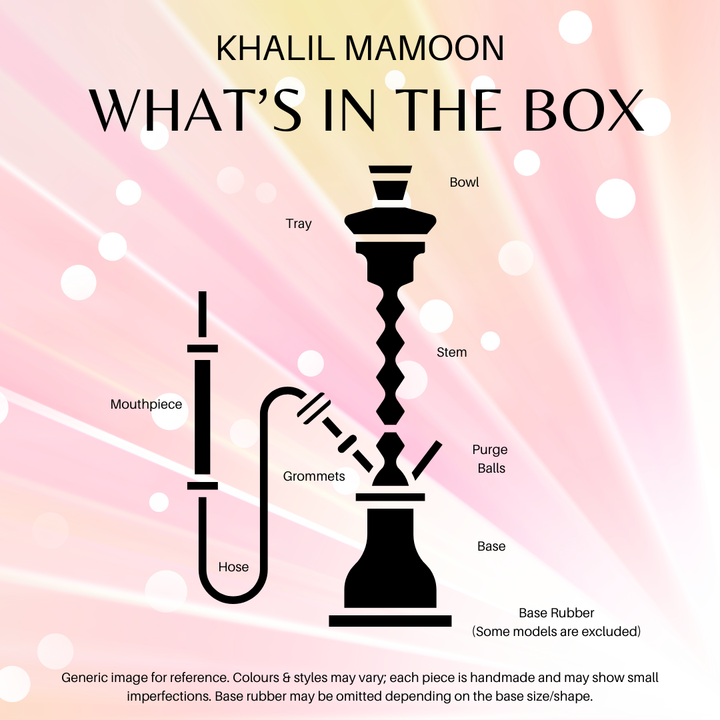
No - actually slightly easier in some ways. There are fewer parts, fewer moving pieces to seal, and no threaded connections that need tightening. You assemble it by pushing parts together through rubber grommets. The draw is tighter, so the pull feels firmer, but that's a character difference, not a difficulty one.
What's the difference between Egyptian and Turkish pipes?
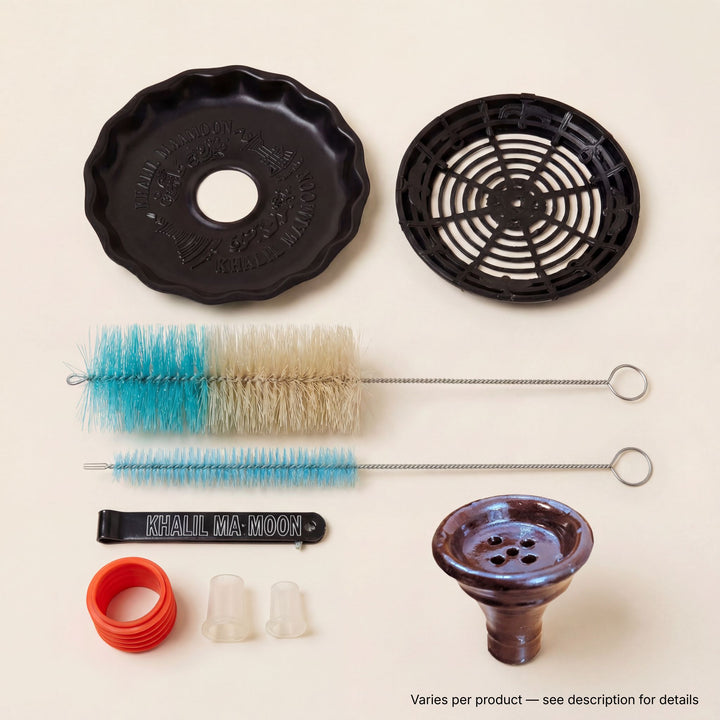
Mostly style. Egyptian pipes (like Khalil Mamoon) lean utilitarian - heavier stems, simpler engravings, built for daily use in Middle Eastern lounges. Turkish nargile pipes lean decorative - more ornate brasswork, detailed engraving, often coloured or patterned glass bases. Functionally they smoke the same way. Pick the look you want.
Can I use modern bowls and hoses on a traditional pipe?
Yes. The bowl port is a standard grommet-fit size, so modern phunnels and traditional clay bowls both work. Any silicone hose fits the hose port. A lot of enthusiasts keep the original hose for looks and swap to a silicone hose for daily use - both are fine.
What should I look for when buying a traditional pipe?
Solid welds (no pinholes), a tight stem-to-base seal via the grommet, clean bore inside the stem, and a proper brand stamp if it's from a named maker. Small aesthetic imperfections are fine and expected. Big functional problems - loose joins, leaky welds, rough internal metal - aren't. Handmade means varied, not broken.
How do I know a traditional pipe is genuine?
Branded pipes carry the maker's stamp on the stem, tray, or bowl - Khalil Mamoon is the most recognisable. Counterfeit or grey-market pipes often look cleaner than the real thing (machine-made perfectly) and come in plain packaging. Buy from authorised retailers and you'll get the real thing, imported through legitimate channels.